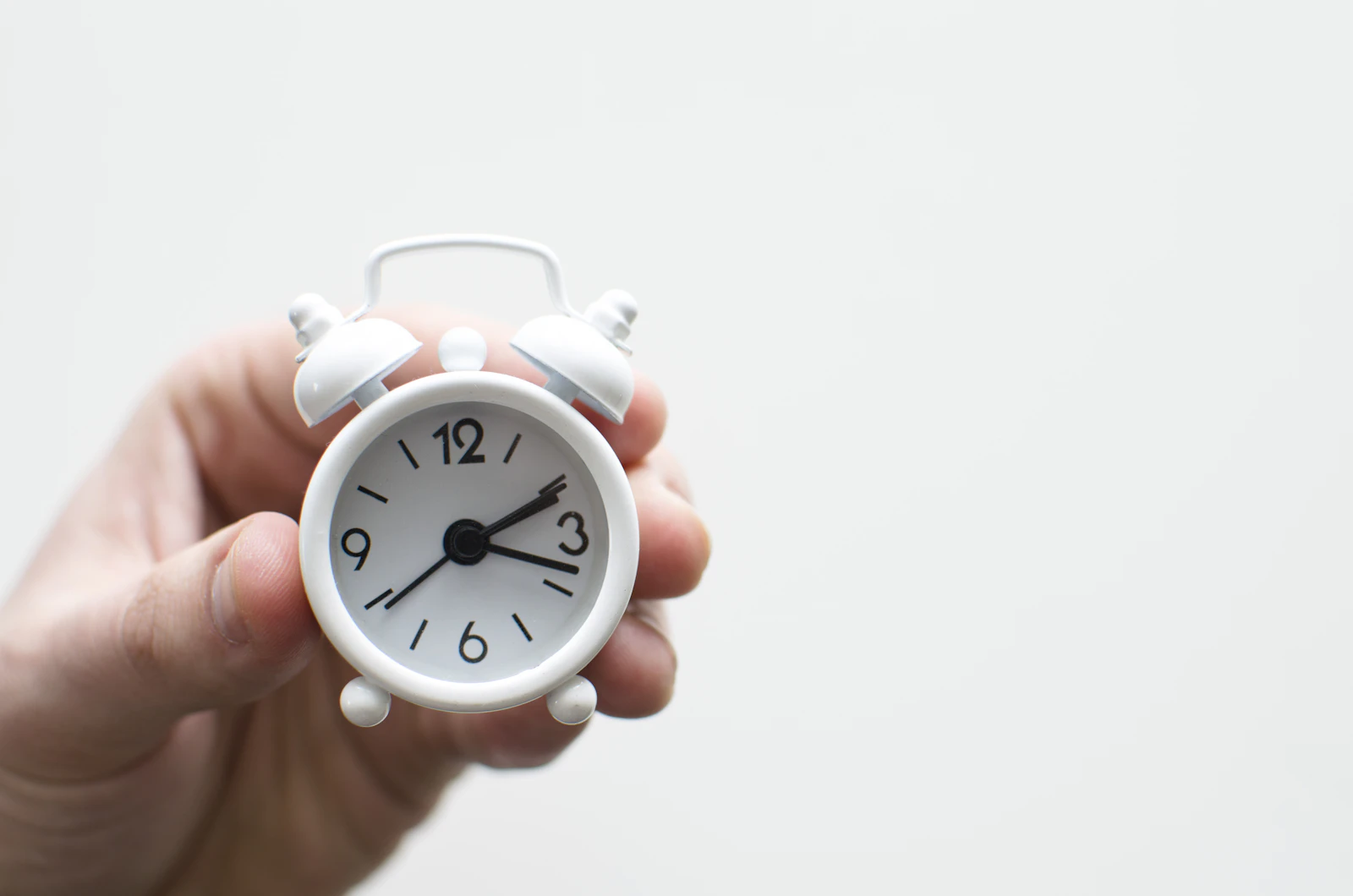
For frequent international travelers, the biggest enemy isn't flight duration but jet lag. Eight time zones disrupt the next week more than the eight-hour flight itself. With a little scientific preparation, 90% of jet lag is controllable.

Why jet lag happens
The body's master clock — the suprachiasmatic nucleus (SCN) — controls hormones and body temperature on a roughly 24-hour cycle. This clock changes slowly — usually by about an hour per day — so when a plane skips 8 hours instantly, full adaptation takes about 8 days. In between, you're jet lagged.
Symptoms:
- Sleeplessness at local night / drowsiness at local day
- Disrupted appetite (hunger at night)
- Constipation / diarrhea
- Headaches, poor concentration
- Mood instability
Eastbound vs westbound — 50% difference
The natural human circadian rhythm is about 24 hours 15 minutes — slightly longer than 24. The body naturally tends to "delay" time. This makes flight direction matter.
Westbound (Korea → Europe): time delayed. Aligns with the body's natural tendency → easier.
Eastbound (Korea → US): time advanced. Opposes the body's natural tendency → 50% harder.
"One day per time zone" applies precisely to eastbound. Westbound is roughly 0.7 days.
Three days before departure — pre-adjustment
Starting before the flight handles half the eventual jet lag.
Eastbound (Korea → LA, NY)
| Day | Korean time |
|---|---|
| D-3 | Sleep 1 hour earlier (usual 23 → 22) |
| D-2 | Sleep 2 hours earlier (21) |
| D-1 | Sleep 3 hours earlier (20) |
Realistically hard, but as much as you can shift makes arrival jet lag measurably milder.
Westbound (Korea → Europe)
Opposite — sleep 1 hour later each day. More natural, easier to do.
In flight — switch to local time early
Set your watch (or phone) to destination time the moment you board. If it's nighttime there, try to sleep (mask, earplugs); if daytime, stay awake (read, watch films).
If meal service doesn't fit destination time, refuse or eat little. Skip alcohol and caffeine — both worsen jet lag. Plenty of water.

After arrival — the first 24 hours decide everything
Eastbound arrival
- Switch everything to local time immediately: phone, meals, activities
- Daytime arrival: absolutely no naps. Even if drowsy, take a 30-minute walk. Caffeine is okay (until local 2 PM).
- Nighttime arrival: sleep right away. Take 0.5–1 mg melatonin 30 minutes before bed.
- Next morning: 30 minutes of outdoor sunlight on waking — the strongest SCN reset signal.
- Next 3–5 days: morning sunlight + 9 PM melatonin daily. Near-complete adaptation in 5 days.
Westbound arrival
- Usually arrives in evening → can sleep early that night (though jet lag may delay it)
- Morning sunlight next day + late-afternoon caffeine OK
- If sleepless at night, don't stay in bed — get up, read in dim light
- 3 days for adaptation
Melatonin — the jet-lag-specific weapon
Melatonin's clearest use is jet lag. Uncertain for general insomnia, but proven for jet lag.
Eastbound:
- Daily for 3–5 days after arrival
- 0.5–1 mg at local 9–10 PM
- Reinforce with morning sunlight
Westbound:
- Usually unnecessary (natural adaptation)
- Exception: 8+ time zones — try first 1–2 days
In Korea, melatonin requires a prescription. Bring US OTC (NOW Foods, Natrol) at 0.5–1 mg dose via direct purchase.
Jet-lag-resistant vs jet-lag-prone
Same flight, different recovery speeds.
- Resistant: flexible circadian rhythm baseline. Small weekend-weekday gap. Same daily wake time.
- Prone: night-owl baseline. Over 50. Chronic sleep deprivation.
If you're jet-lag-prone, fly less or budget more recovery time.

Business vs leisure jet-lag strategies
Business trips (≤5 days short stay): don't even try to adapt — keep Korean time pattern. Just stay alert during meeting times even if it's 4 AM Korean time, and sleep on Korean time otherwise. No adaptation means no return-trip jet lag.
Vacation / long stays (1+ weeks): full adaptation as above. The few days invested in adaptation transform the rest of the trip.
Conclusion — jet lag is conquerable
Don't accept jet lag as fate; treat it as a manageable challenge. 3 days of pre-adjustment before departure, switching time on the plane, first sunlight after arrival, melatonin for the first 5 days. These four steps eliminate 90% of jet lag.


