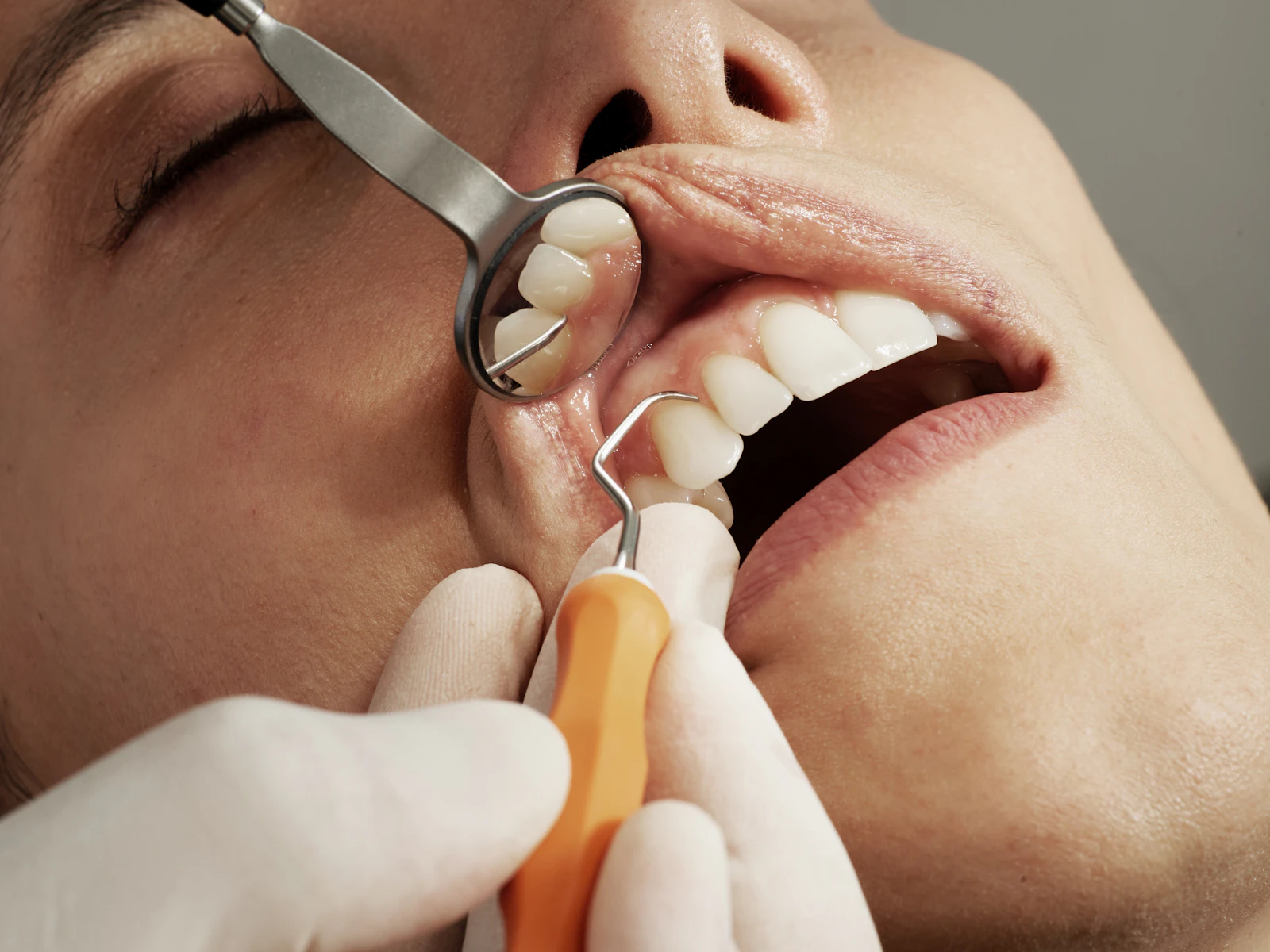
8-10% of adults unconsciously grind or clench teeth during sleep. Stiff jaw in morning, headaches, partner says "I heard you grinding last night" — that's bruxism. Not a habit, but a sleep disorder that directly wrecks sleep quality.
Dentists say "70% of bruxism patients also have sleep problems (insomnia, sleep apnea, snoring)." Vicious cycle: poor sleep → grinding → worse sleep.
Why bruxism wrecks sleep
Grinding occurs mainly in light sleep (N1, N2) and just before REM. As you should enter deep sleep, strong jaw contractions cause micro-arousals. Deep sleep shortens, efficiency drops.
Intensity = 3-10× normal chewing force. Repeated 5-10 times/hour → morning jaw pain, headache, shoulder tension. Tooth wear, weak gums.
Causes
- Stress/anxiety — biggest cause
- Sleep apnea — O2 drop → brain wakes → jaw contracts
- Caffeine/alcohol — both increase frequency
- Smoking — 2× more often
- Malocclusion
- Medications — SSRIs have it as side effect
Brushing timing
- 30 min after dinner — wait after acidic foods to protect enamel
- First brush 1hr before bed — floss+brush+mouthwash thorough
- Light rinse right before bed — after tea/snack
- Why — vigorous brushing activates sympathetic NS → hard to sleep
Bedtime brushing — 6 steps
- Floss (2 min) — 70% of gum inflammation prevention
- Brush (3 min) — soft bristles, 45°
- Tongue cleaner (1 min) — 80% of bad breath from tongue
- Fluoride or alcohol-free mouthwash (30 sec)
- Glass of water
- Optional: water flosser — essential with implants/braces
Mouthguards
- OTC ($20-30) — boil-and-bite, for initial trial
- Custom dental ($150-400) — impression-based, recommended
- Soft vs hard — mild → soft, severe → hard
- Upper recommended — lower causes more gagging
- Lifespan — 2-3 years daily
Block mouth breathing
Open-mouth sleep increases dryness, gum inflammation, snoring, grinding.
- Mouth tape — medical tape across lips. Dangerous with sleep apnea.
- Chin strap — safer
- Nose breathing training — Buteyko method
- Nasal strips — Breathe Right
Jaw relaxation — 3 min before bed
- Massage (1 min) — under cheekbones, jaw muscles
- Jaw stretch (30 sec) — open-close × 10
- Tongue position (1 min) — tip on palate behind upper front teeth
- Jaw side-to-side (30 sec) — × 10
Caffeine/alcohol and bruxism
- Caffeine — after 2 PM → night grinding +30%
- Alcohol — drinking nights = 2× grinding
- Smoking — nicotine increases grinding
- Energy drinks — caffeine+taurine+sugar = trigger combo
Gum inflammation and sleep
Severe periodontitis sends IL-6, TNF-α through body → sleep quality drops. Reverse: sleep deprivation lowers immunity, worsens gum disease.
- Bleeding gums = warning — early periodontitis
- Gum massage — light with brush/finger
- Vitamin C — gum collagen
- No smoking — raises risk 5×
Dry mouth
- Causes — meds, mouth breathing, caffeine, alcohol, aging
- Counter — water before bed, humidifier, xylitol candy
- Saliva substitute — artificial saliva spray
Self-check
3+ checked → see dentist:
- Stiff jaw morning
- Headache on waking
- Partner heard grinding
- Flat/worn tooth tips
- Increased sensitivity
- Cheek tooth marks (linea alba)
- Scalloped tongue edges
- Hard masseter under cheekbones
4-week recovery plan
- Week 1 — establish brushing routine, cut caffeine after 2 PM
- Week 2 — add 3-min jaw relaxation, alcohol ≤ 2×/week
- Week 3 — introduce mouthguard
- Week 4 — evaluate. If no improvement → sleep study
Bruxism is not standalone disease — it's a mirror of sleep. Day's stress, night's breathing, jaw's tension reveal through sleep. Treat brushing as ritual for sleep, not just hygiene.


