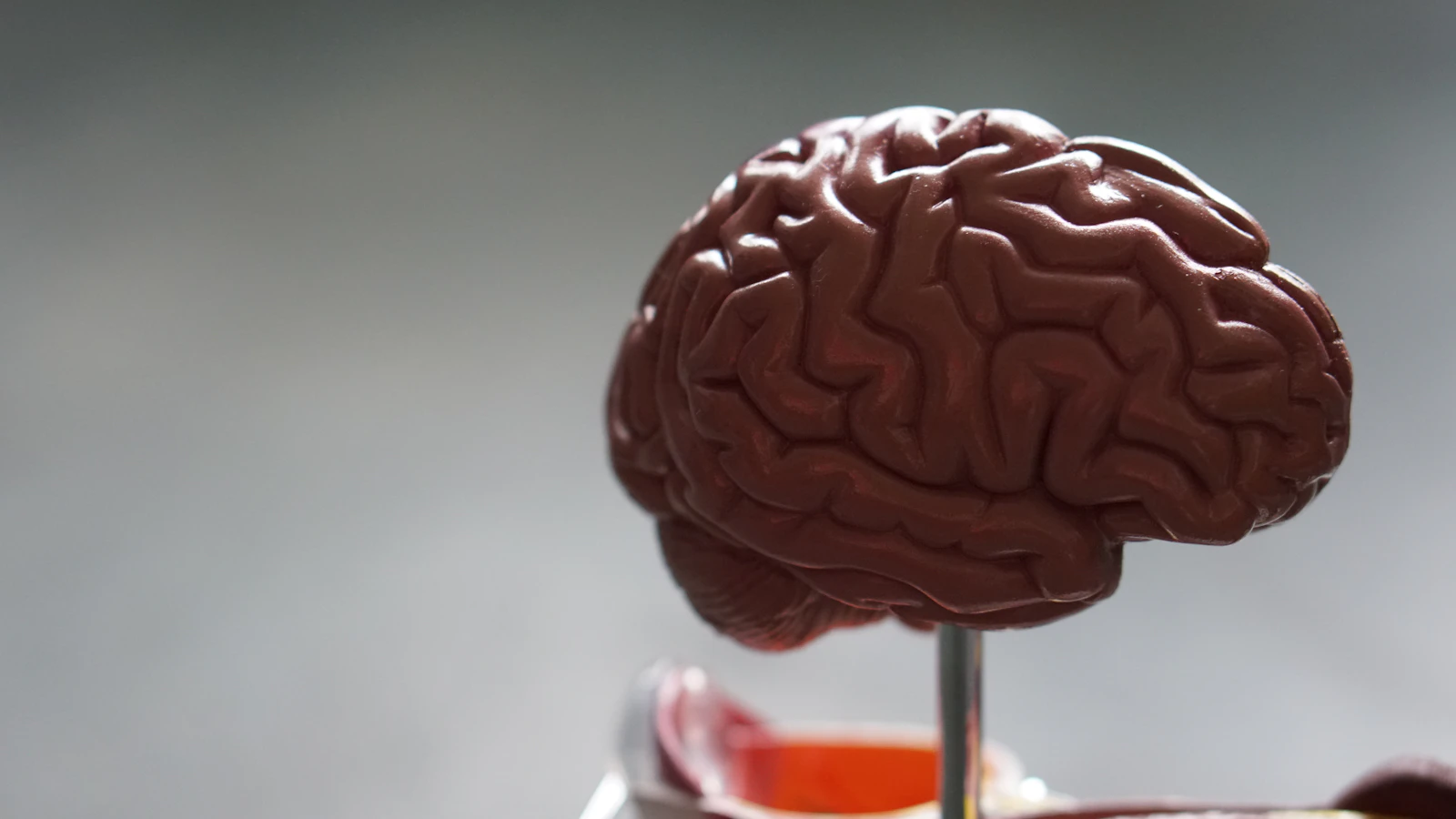
Do you wake up with a headache in the morning? Or can't sleep all night because of a headache? Both are very common. Headache and sleep are bidirectional — sleep deprivation triggers headaches, and headaches prevent sleep. This article covers sleep relationships for 6 headache types and integrated management strategies.
Headache and Sleep: Bidirectional Relationship
Headache is a very common complaint in Korea. About 60–70% of adults experience meaningful headache at least once a year, and 10–15% have chronic headache (15+ days/month). About 50–70% of chronic headache patients have concomitant sleep problems.
Why this bidirectional relationship?
- Same brain regions: both sleep and headache regulated in hypothalamus, brainstem, thalamus
- Same chemicals: serotonin, melatonin, orexin involved in both
- Sleep deprivation → pain sensitivity ↑: 30–40% increase in pain perception
- Headache → sleep fragmentation: nighttime awakenings, reduced deep sleep
Type 1: Migraine
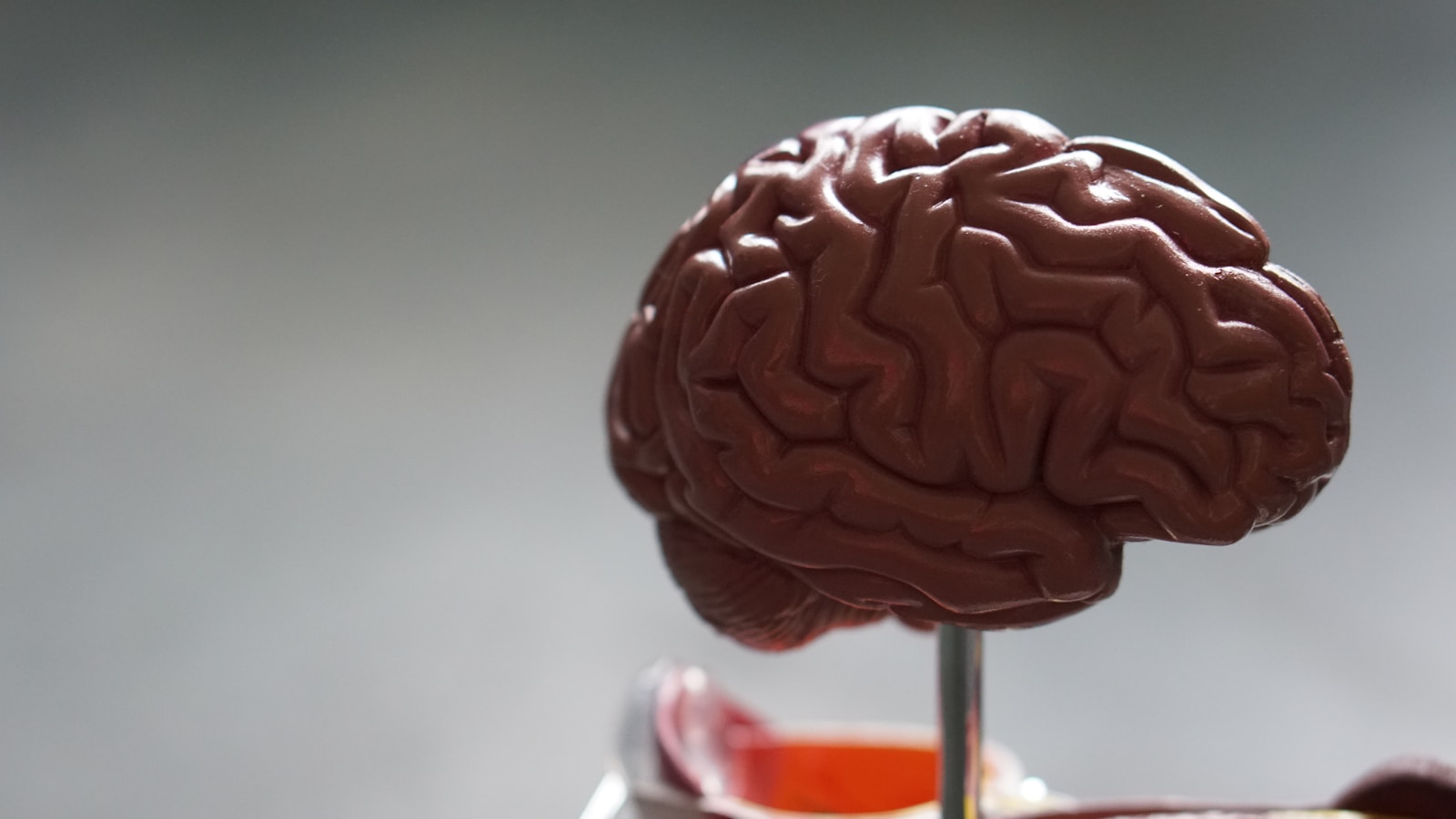
Migraine is neurological disease experienced by about 6–17% of Korean adults. Characterized by pulsating quality, moderate–severe intensity, unilateral, nausea, light/sound sensitivity.
Migraine-sleep relationship:
- Sleep deprivation (under 6 hr) → migraine trigger: most common trigger (50%+ patients report)
- Oversleeping (9+ hr) → also triggers migraine: common cause of "weekend headache"
- Sleep time variability → migraine frequency ↑: consistency is key
- Migraine often starts during or just after sleep: possibly REM-related
Sleep strategies for migraine patients:
- Same sleep/wake time daily (±30 min weekends)
- 7–8 hours consistent — not too much, not too little
- Naps short (20–30 min), not after 3 PM
- Record sleep time/quality in migraine diary — discover triggers
Type 2: Tension-Type Headache
Most common headache type. Bilateral, pressing quality (squeezing), mild-moderate intensity. Highly associated with shoulder/neck tension in Korean office workers.
Sleep relationship:
- Sleep posture → neck/shoulder tension → next-day tension headache
- Pillow too high/low → cervical strain
- Teeth grinding/clenching (bruxism) → temporalis/masseter tension → headache
- Stress → sleep deprivation → headache → more stress (cycle)
Management:
- Pillow supporting cervical curve (shape, height) — memory foam, latex recommended
- Side sleeping: pillow should fill space between head and shoulder
- Suspected bruxism: night mouthguard (dentist)
- 10-min pre-bed shoulder/neck stretching
Type 3: Cluster Headache
Called "suicide headache" for extreme unilateral pain. Around eye/temple, 1–3 hr duration, daily for 1–2 months then disappears. Uncommon in Korea (0.1% of population) but severe.
Strong sleep relationship:
- Sleep onset very common: 1–2 hr after sleep (REM phase)
- Same time daily during cluster period — 1–3 AM most common
- Hypothalamic abnormality (sleep regulation center) suspected
- Increased sleep apnea concurrence
Emergency treatment + sleep specialist consultation essential. In Korea, cluster headache requires neurologist.
Type 4: Sleep Apnea Headache
One of most important causes of morning headache. With sleep apnea: nighttime oxygen deprivation + CO2 accumulation → cerebral vasodilation → morning headache.
Characteristics:
- Starts immediately upon waking or within 1–2 hr
- Bilateral, pressing (similar to tension)
- Self-resolves in 30 min–4 hr
- Accompanied by snoring, observed apnea
Response: polysomnography (PSG) → CPAP or oral appliance. 80% of patients improve morning headache after CPAP.
Type 5: Hypnic Headache ("Alarm Clock Headache")
Rare but interesting — onset after 50, headache waking patient at same time nightly (usually 1–4 AM), 30 min–3 hr duration. Low awareness in Korea.
Treatment: caffeine before bed (50–100 mg, surprising!) or lithium, indomethacin. Neurologist prescription.
Type 6: Cervicogenic Headache
Headache from neck (cervical) spine problem. Common in "turtle neck"/disc patients in Korea.
Sleep-related risks:
- Prone sleeping — cervical twist for 7 hr → worst
- Pillow too high — cervical flexion
- Pillow too low — cervical extension
- Old memory foam too soft — head sinks

12 Integrated Headache-Sleep Management Strategies
1) Consistent sleep time
Daily ±30 min. No weekend sleep-ins. Most effective single strategy for migraine patients.
2) 7–8 hour target
Too little or too much both trigger headache. Watch out for 9+ hours.
3) Sleep apnea test
If morning headache, must test. Korean general hospitals or sleep clinics.
4) Headache-sleep diary
Daily for 2–4 weeks: sleep time, quality, headache intensity/location/type, triggers (food, stress, weather). Discover patterns.
5) Caffeine management
Tricky for migraine patients. Moderate amount (1–2 cups daily) may help, too much triggers. Quit gradually (withdrawal headache).
6) Avoid alcohol
Red wine, beer common migraine triggers. Alcohol also ruins sleep — bad both ways.
7) Bruxism management
Morning jaw pain + headache = suspect bruxism. Mouthguard at dentist.
8) Sleep posture/pillow optimization
Side sleeping + appropriate pillow height. No prone sleeping.
9) Light/sound environment
Migraine patients are light/sound sensitive — blackout curtains, white noise, sleep mask.
10) Stress management
Relaxation techniques, meditation, CBT — effective for both headache and sleep.
11) Cautious medication use
Daily painkillers → "medication overuse headache" risk. Consult neurologist if 10+ days/month. Consider preventive medications (propranolol, topiramate).
12) Integrated medical team
Severe headache: neurology + sleep specialist + psychiatry (if chronic pain concurrent) collaboration.
Headache Care in Korea
Primary: family medicine/internal medicine (simple tension headache).
Secondary: neurology (migraine, cluster headache, medication overuse headache, chronic headache).
Tertiary: headache clinic (university hospitals — Seoul National, Samsung, Asan, Severance).
Sleep test: polysomnography (PSG) — general hospital sleep clinics or ENT/neurology.
Coverage info: Chronic migraine has Botox treatment, CGRP blockers (Aimovig, Emgality) and other new options. 2026 partial Korean insurance coverage. Consult neurologist.
Start Today
Tonight: (1) decide sleep time (±30 min daily), (2) set alarm, (3) check pillow/posture (side sleeping + appropriate height), (4) check bruxism (morning jaw pain).
This week: (5) start headache-sleep diary, (6) review caffeine/alcohol patterns, (7) if morning headache, sleep apnea self-screening (STOP-BANG score).
This month: (8) analyze diary → identify triggers, (9) if painkiller 4+ times/month, book neurology appointment, (10) suspect sleep apnea, book test.
Headache and sleep are bidirectional — fix one side, the other follows. Consistency + appropriate duration + sleep apnea management + trigger avoidance clearly improves 60–70% of patients.


