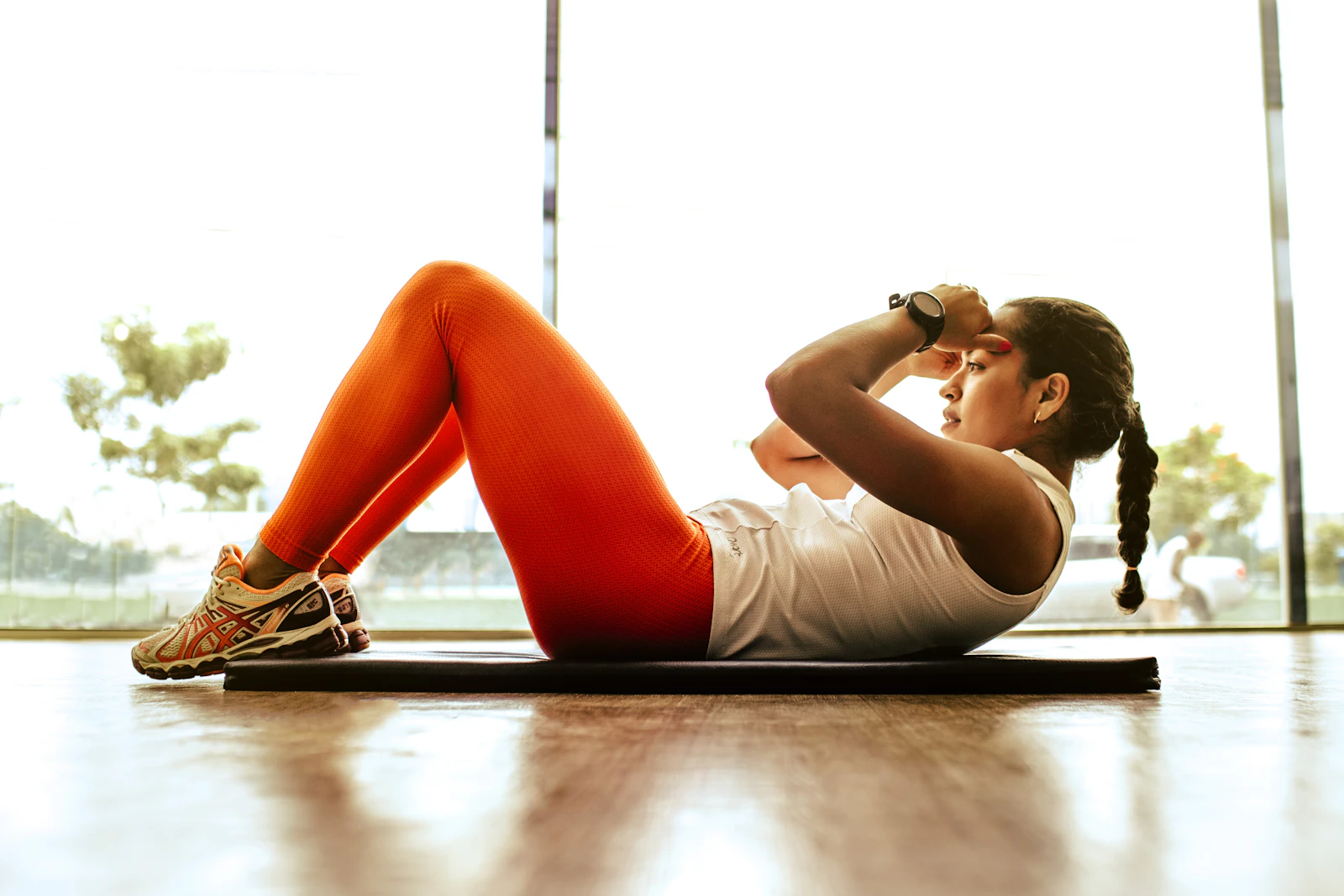
Work out hard but no results? Get injured often? Same weight at gym worse than yesterday? Inconsistent golf rounds? Answer often simple — sleep. NBA, NFL, Olympic athletes call sleep their "secret weapon".
Sleep and Athletic Performance — Scientific Evidence
Stanford University basketball study (2011, most famous):
- Players increased sleep from daily 8 hr to 10 hr (5–7 weeks)
- Result: shooting accuracy +9%, free throw +9.2%, short sprint -0.7 sec (meaningfully faster), ↓ fatigue, ↑ mood
- No drugs, no training changes — only sleep added
Since, NFL, MLB, NBA, EPL, Olympic teams integrated sleep as key training element.
6 Connections Between Sleep and Exercise
1) Growth Hormone (GH) → Muscle Synthesis/Recovery
GH is key to exercise recovery. 70–80% of daily secretion in deep sleep. Sleep deprivation → ↓ GH → (1) ↓ muscle synthesis (↓ exercise effect), (2) ↓ damage recovery (no next training), (3) ↓ fat breakdown.
2) Glycogen Replenishment
Muscle glycogen (carb storage) consumed during exercise. Replenished during sleep. Sleep deprivation → ↓ glycogen → ↓ next exercise endurance.
3) Immune System → Injury/Infection Prevention
Sleep deprivation → ↓ immunity → ↑ colds, ↓ microinjury recovery during exercise → develops into big injuries.
4) Motor Skill Consolidation
Skill learning (swing, shot, pace) consolidates in REM sleep. Sleep deprivation → skill practiced yesterday gone next day.
5) Cognition/Reaction Time
6 hr sleep = 30% ↓ cognition/reaction time. Decisive impact in fast-decision sports (soccer, basketball, tennis).
6) ↑↑ Injury Risk
Stanford adolescent athlete study: under-6 hr sleep = 1.7x injury risk. 8+ hr sleep safest.
Sleep Impact by Exercise Type
Strength Training (Gym, Bodybuilding)
- 70%+ of muscle synthesis happens in sleep (deep sleep)
- Sleep deprivation → ↓ protein synthesis, ↑ muscle breakdown
- Same exercise/diet but 8 hr vs 6 hr sleep = 2x difference in muscle gain
- High-intensity trainers need 9–10 hr sleep
Aerobic/Endurance (Marathon, Cycling)
- Sleep deprivation → ↓ endurance 11–30% (↓ oxygen utilization, glycogen deficit)
- Sleep very important for endurance athletes
- All-nighter before marathon = 30% slower almost certain
Skill Sports (Golf, Tennis, Basketball)
- Skill consolidation in REM → sleep deprivation = yesterday's practice disappears
- Golf swing: ↑ accuracy after sleep (REM consolidation effect)
- Tennis serve: 17% ↓ accuracy with sleep deprivation
Team Sports (Soccer, Basketball)
- Cognition/reaction time key → sleep deprivation = decisive impact
- ↑ judgment errors, ↓ pass accuracy, ↑ injury risk
- Well-rested players ↑ until end of 90-min game
High-Intensity Interval (CrossFit, HIIT)
- Recovery key → need more sleep
- Sleep deprivation → ↑ cortisol → ↓ exercise effect + ↑ injury
- Experts recommend 9 hr sleep
Sleep Strategy for Athletes — 12 Stages
1) Sleep 7–9 Hr (by Exercise Intensity)
- General activity: 7–8 hr
- 3–5x/week exercise: 8–9 hr
- High-intensity/daily training: 9–10 hr
- Before competition: +1 hr
2) Consistent Sleep Time
Sleep/wake same time daily. Circadian rhythm optimizes exercise hormones, body temperature regulation, reaction time.
3) Exercise Time Placement
- Morning exercise: no sleep impact, ↑ energy
- Afternoon exercise (4–7 PM): ↑↑ deep sleep (best)
- Evening exercise (8 PM+): possible sleep impact — no within 3 hr of sleep
- Early morning exercise (sleep-deprived state): ↑ cortisol → ↑ aging/injury
4) Post-Exercise Nutrition + Sleep = Max Effect
Post-exercise recovery window:
- 30 min post-exercise — protein 20–40 g + carbs (glycogen replenishment)
- Dinner — balanced (protein/carbs/vegetables)
- Casein protein 1 hr before sleep (yogurt, casein shake) — nighttime muscle synthesis
5) No Post-Exercise Caffeine
Afternoon post-exercise caffeine (PWO supplements) → ↓ sleep → no recovery → ↓ next training. Avoid except for competitions.
6) No Alcohol
"Post-workout beer" — ↓ exercise effect 50%. Alcohol:
- ↓ muscle protein synthesis
- Dehydration
- ↓ sleep quality (↓ deep sleep 50%)
- ↓ next-day recovery
7) Power Nap
20–30 min nap before/after exercise = ↑ recovery/skill. 30-min nap before competition also effective. No 30+ min.
8) Sleep Environment
- Bedroom 18–20°C (body temp ↑ after exercise → need cool)
- Complete darkness
- Comfortable mattress (proper support for muscle recovery)
- Side sleep (optimal glymphatic system operation)
9) Hydration (Nighttime Balance)
Athletes need ↑ hydration. But too much water before sleep = night bathroom. Balance: (1) all-day water (2 L+ athletes), (2) reduce after 8 PM, (3) only cup before sleep.
10) Post-Injury — More Sleep
1–2 hr more than usual during injury recovery. Recovery hormones + immunity in sleep. Taking injury sleep lightly = ↓ recovery.
11) Sleep Tracking (Especially Useful for Athletes)
Whoop, Oura Ring, Garmin sleep trackers:
- Measure sleep time/quality/HRV
- Recovery state → adjust training intensity that day
- Especially useful for elite athletes
- Korean price: 300,000–800,000 KRW (one-time) or monthly subscription
12) Jet Lag Adaptation (Overseas Competition)
Overseas competition jet lag = ↓ performance up to 30%. Strategy:
- Arrive 5–7 days before competition
- Immediate adaptation to local time light exposure
- Melatonin (doctor prescription)
- Sleep environment (eye mask, earplugs)
Korean General Public Exercise + Sleep Balance
"Early Morning Exercise" Trend (5–6 AM)
Popular in Korea. But risk: 5 AM exercise = ↓ sleep time. 7 hr sleep + 5 AM exercise = must sleep 10 PM = hard in Korean reality. Sleep deprivation + exercise = ↑ cortisol, ↑ aging, ↑ injury. Alternatives:
- Early morning exercise after securing 7 hr sleep (10 PM bed)
- Or switch to lunch/evening exercise
- ↑ weekend exercise intensity
"40+ Exercise Start"
Need ↑↑ sleep recovery time. 1 hr more sleep than younger. ↑ injury risk — even more with sleep deprivation.
"Women Exercise + Sleep"
Menstrual cycle → sleep pattern variation. Some periods (luteal phase) need ↑ sleep. Menopause = need to adjust both sleep + exercise.
"Inconsistent Golf Round Scores Next Day"
Golf is skill/concentration/cognition all. Common in Korean 40s-50s workers. Round day pre-dawn round = sleep deprivation → ↓ score 5–10 strokes. Dinner + golf = sleep + alcohol impact → more ↓.
Special Situations
"Exercise Daily but No Weight Loss or Muscle Gain"
Check sleep. Sleep deprivation causes (1) ↑ cortisol → belly fat, (2) ↓ muscle synthesis, (3) ↑ appetite → no results. Sleep priority → ↑ exercise effect.
"Often Injured"
Sleep deprivation = 1.7x injury risk. Also ↓ injury recovery with sleep deprivation. Exercise + sufficient sleep = injury safe.
"Can't Sleep After Exercise"
Stimulation ↑ after evening exercise → hard to sleep. Response: (1) ↓ exercise intensity, (2) earlier exercise time (5–7 PM), (3) post-exercise calming (stretch, warm shower, meditation), (4) no caffeine supplements within 2–3 hr of sleep.
"Overtraining Syndrome"
Too much training + sleep deprivation = chronic fatigue, ↓ performance, ↓ immunity, depression. Common in Korean gym-goers/runners. Recovery: 1–4 weeks ↑ sleep + ↓ training + balanced nutrition. Doctor visit.
Korean Athlete Resources
Sports medicine: orthopedics + sleep + recovery integrated. Some university hospitals.
Sleep clinic: polysomnography (rule out sleep apnea), CBT-I.
Nutritionist: exercise + sleep + diet balance consultation.
Sleep trackers: Whoop, Oura Ring, Garmin, Polar — available in Korea.
Post-exercise recovery tools: foam roller, massage gun — sleep + recovery aids.
Start Today
Tonight: (1) match sleep time to exercise intensity (7–9 hr), (2) no caffeine/alcohol after exercise, (3) protein + carbs within 30 min post-exercise, (4) nighttime casein protein.
This week: (5) sleep + exercise diary — time, intensity, recovery, performance, (6) review exercise time (no evening), (7) if injury concern, ↑ sleep time.
This month: (8) 4-week effect measurement (performance, recovery, injury), (9) review sleep tracker (value), (10) sports medicine if overtraining suspected.
Sleep is most powerful legal doping. More effective than expensive supplements, time, equipment. Same training with sufficient sleep = 2x effect. See sleep as part of training.


