
How do you choose a mattress? Ads claim every mattress is a "sleep revolution." Prices range from $300 to $10,000+. Is there really that much difference? Same with pillows. A scientific buying guide for the tools where you spend 1/3 of your sleep life.
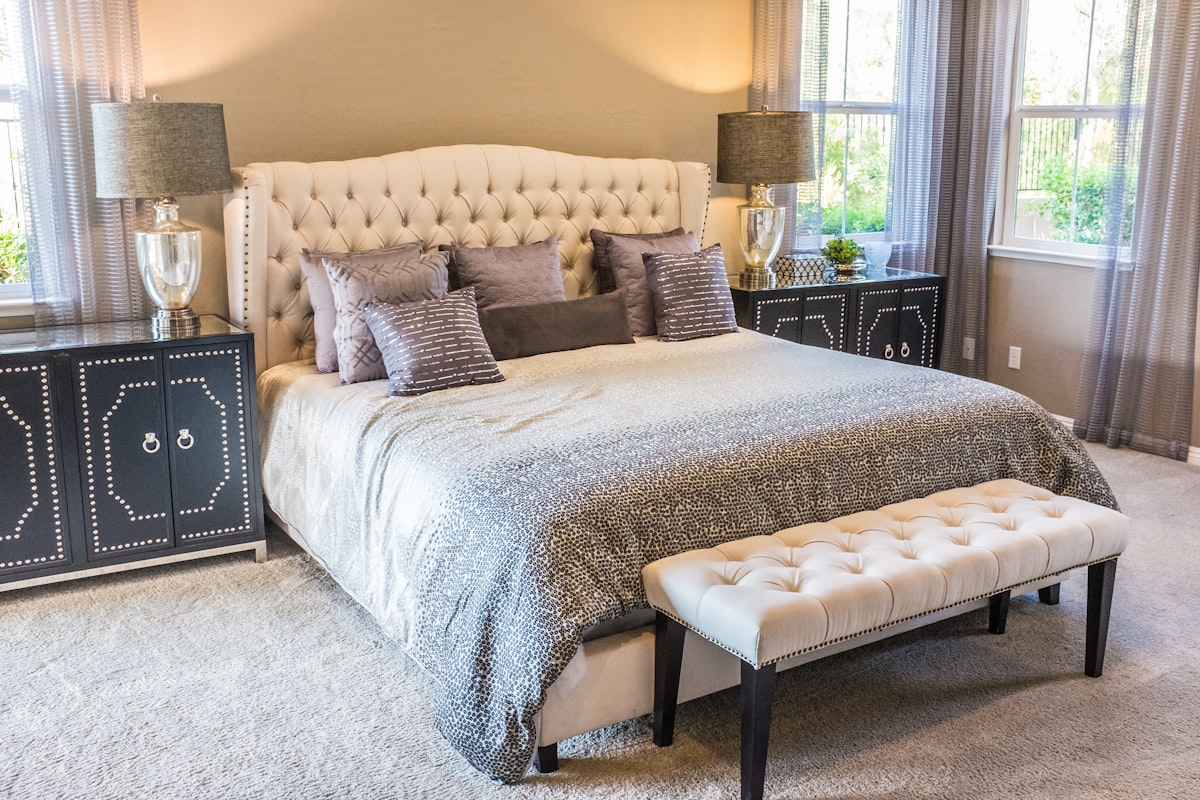
Mattress — first step: firmness
By sleep position
| Position | Recommended firmness | Why |
|---|---|---|
| Back (8% of population) | Medium-firm (5–7/10) | Supports natural spine curve |
| Side (60%) | Medium-soft (4–6/10) | Lets shoulders/hips sink |
| Stomach (7%) | Firm (7–9/10) | Protects lower back curve |
| Mixed | Medium (5–6/10) | Balances all positions |
By weight
- Under 50 kg: 1 step softer than average (light bodies don't sink into firm)
- 50–90 kg: average
- Over 90 kg: 1–2 steps firmer (sinking ruins spinal alignment)
For couples
If sleep position/weight differ:
- Medium firmness (universal)
- Or split mattresses (each their own)
- Or dual-firmness mattress (one side firm, the other soft — some brands)
- Bigger bed (queen+) recommended (less mutual disturbance)
Mattress types — 3 main + hybrid
1. Innerspring
Features
- Metal coils + fabric and padding
- Most traditional and common
- Coil types: Bonnell (value), pocket (individual coils, better), offset, continuous
Pros
- Most breathable — cool sleep
- Wide price range
- Good bounce — easy to roll
- Familiar feel
Cons
- Weak pressure relief (side sleep shoulder pain)
- Coils weaken over time (5–7 years)
- Cheap ones sag fast
- Motion transfer to partner (less with pocket coils)
Fits
- Heavy sweaters
- Back sleepers
- Traditional sleep preference
- Tight budget
2. Memory foam
Features
- Viscoelastic foam (NASA tech origin)
- Conforms to body shape
- Popularity grew in last 20 years
Pros
- Best pressure relief — eases shoulder, hip, knee pain
- Absorbs partner motion — good for couples
- Helps joint and back pain
- Excellent for side sleepers
Cons
- Traps heat — hot sleep (especially Korean summer)
- "Sinking" feel (love it or hate it)
- Chemical smell first 1–2 weeks
- Heavy (hard to move)
- Less bounce (sex life harder)
Solutions (modern memory foam)
- Gel infusion (cooler)
- Open-cell structure (breathable)
- Plant-based foam — cooler, more natural
Fits
- Side sleepers
- Joint and back pain
- Couples where one moves a lot
- Like warm in winter
3. Latex
Features
- Natural latex (rubber tree sap) or synthetic
- Bounce + pressure relief balance
- Premium option
Pros
- Cool — no heat trap unlike memory foam
- Antibacterial, dust-mite-resistant, allergy-friendly
- Very long lifespan (10–15 years)
- Eco-friendly (if natural)
- Good balance of bounce and support
- Some motion absorption
Cons
- Expensive (natural latex $1500–4000)
- Heavy (more than memory foam)
- Synthetic doesn't have natural's benefits
- Allergy (rare, but possible latex allergy)
Fits
- Budget-friendly long-term investment
- Allergy/asthma sufferers
- Concerned about Korean summer heat
- Eco-conscious
4. Hybrid
Features
- Spring (pocket coils) + memory foam or latex top layer
- Most popular type recently
- Combines multiple type advantages
Pros
- Spring breathability + foam pressure relief
- Suits most people
- Good bounce
- Good value
Cons
- Mid-range price (more than single-type)
- Quality varies (cheap ones combine downsides)
- Multiple layers → heavy
Fits
- Want the "safest" choice
- Couples (compromise)
- Mixed sleep positions

Price guide
Under $400 (budget)
- Cheap spring or thin memory foam
- 2–3 year life
- Rentals, temporary use
- Brands: some IKEA, Hansam (Korea)
$400–1000 (low-mid)
- Mid-range spring or memory foam
- 4–6 year life
- College, newlywed first mattress
- Brands: Simmons, Ace
$1000–2500 (mid) — best value
- Quality memory foam, latex, hybrid
- 7–10 year life
- Sufficient for most
- Korean: Simmons, Ace, Cambridge, Slowcony
- International: Casper, Purple, Saatva
$2500–5000 (premium)
- Natural latex, premium hybrid
- 10–15 year life
- Special needs (chronic pain, allergy, tall body)
- Korean: Simmons Beautyrest, Ace Grand, Tempur
$5000+ (luxury)
- Handmade, premium natural materials
- 15+ year life
- "Value" is subjective — $5000 isn't guaranteed 30% better than $10000
- Brand value + handmade + premium fabric
Marketing traps — don't be fooled
1. "Premium" label
Often no real difference. Same mattress with "premium" label can be 30–50% more expensive.
2. "German/Swiss tech"
Mostly marketing. Often actually made in Korea or with generic parts.
3. "10-year warranty"
Read carefully. Warranty conditions are often very limited (e.g., only sags 5 cm+ count).
4. "Sleep doctor recommended"
Mostly paid placement. Real medical recommendations are about mattress types, not specific brands.
5. Showroom demos
Don't decide after 5 minutes. Lie down at least 15–20 min in your sleep position. Showroom mattresses are very well maintained.
6. "100% natural latex"
Even "100% natural" labels often actually 50–80% natural. Check certifications (Eco-INSTITUT, GOTS).
Pre-purchase checklist
- Know your sleep position: back? side? stomach? mixed?
- Your + partner's weight: determines firmness
- Special needs: pain areas, allergy, hot sleeper
- Budget: $1000–2500 = best value
- Bed size: queen+ for couples
- Showroom demo: 15+ min in your position
- Return policy: 100-night trial (modern standard)
- Read warranty terms: 10-year is standard
- Check reviews: real users (blogs, communities)
- Delivery + setup costs: usually free, but verify
Mattress care
Make it last
- Mattress protector (waterproof + dust mite block)
- Rotate every 3–6 months (head/foot or left/right)
- Vacuum monthly to remove mites
- Sun-dry occasionally (every 1–2 months)
- No jumping (coil damage)
- No food/drink
Replacement timing
- General 7–10 years (spring), 8–10 (memory foam), 10–15 (latex)
- Signs: deep impressions, sagging, pain on waking, sleeping better at hotels
Pillow — as important as mattress
Height by sleep position
| Position | Pillow height | Why |
|---|---|---|
| Back | 8–12 cm | Head not too lifted |
| Side | 12–15 cm | Compensates shoulder thickness, spine straight |
| Stomach | 5 cm or none | Less neck strain |
Pillow types
Memory foam pillow
- Pro: conforms to head/neck shape, spine alignment, pain relief
- Con: traps heat, takes adjustment, firm
- Price: $40–250
Latex pillow
- Pro: cool, antibacterial, bounce, 5–7 year lifespan
- Con: expensive, heavy
- Price: $80–400
Down/feather pillow
- Pro: soft, moldable, light
- Con: allergy possible, sags often, short lifespan
- Price: $40–250
Synthetic fiber (polyester) pillow
- Pro: value, allergy-safe, washable
- Con: 6 month–1 year life, flattens
- Price: $10–40
Korean traditional — buckwheat pillow
- Pro: cool, breathable, shape-adjustable, antibacterial
- Con: noise (buckwheat shifting), heavy, takes getting used to
- Price: $25–125
Specialty pillows
- Side-sleep specific: shoulder cutout structure
- Cervical pillow: neck curve support
- Pregnancy pillow: U or C shape, full body support
- Between-knees pillow: pelvic alignment for side sleep
- Travel pillow: U-shape neck pillow

Pillow care
Make it last
- Pillow cover (wash often — weekly)
- Sun-dry weekly
- Remove dust mites (vacuum or sun)
- Fluff daily (except memory foam)
Replacement timing
- General: 1–2 years
- Memory foam/latex: 3–5 years
- Signs: doesn't hold shape, discoloration/odor, increased allergy symptoms
Hygiene
- 17% of a 3-year-old pillow's weight = mites/mold/dead skin
- Pillow case weekly wash essential
- For allergies, add dust mite-blocking cover
Special situations
Chronic back pain
- Medium to medium-firm
- Memory foam or latex
- Side sleep recommended (knee pillow)
- See doctor/PT
Arthritis
- Soft to medium mattress
- Memory foam for pressure relief
- Heated mattress (winter)
Pregnancy
- Pregnancy pillow essential (3rd trimester)
- Mattress not too firm (belly pressure)
- Support left-side sleep position
Children
- Under 1 year: firm mattress only + no pillow (SIDS prevention)
- 2+: light pillow start
- School age: medium-firm to support spine growth
Seniors
- Medium firmness (less joint burden)
- Easy-to-leave-bed height
- Mattress topper for adjustable firmness
- Waterproof protector (incontinence)
Mattress vs Korean traditional bedding
Korean traditional yo (요)
- On ondol (heated floor)
- Thin and firm
- Pro: breathable, clean (often dried), low cost
- Con: weak support beyond back position, side sleep shoulder pain
- Less common now
Modern mattress
- On a bed frame
- Thick
- Pro: supports all positions, variety
- Con: weaker breathability (especially underneath), heavy
Compromise — mattress topper
- 5–10 cm added on existing mattress
- Cheap sleep quality boost
- Extends old mattress life
- $25–100
Buying mattresses in Korea
Main channels
- Offline: Simmons, Ace, Cambridge, IKEA — try in store
- Online (Korea): Slowcony, Hansam, Coupang — value, trial offered
- Direct from overseas: Casper, Purple, Saatva — trial + 100-night refund
- Used: hygiene concerns, not recommended
Korea market price
- Queen size basis
- Spring: $400–1700
- Memory foam: $700–3300
- Latex: $1700–5000
- Hybrid: $850–3300
"What investments truly improve sleep"
Biggest impact (best value)
- Good pillow ($40–170) — immediate effect
- Mattress topper ($40–85) — boosts existing mattress
- Good sheets (natural cotton, modal) — $40–125
- Blackout curtains — $40–85
Mid-impact
- Mid-range mattress replacement ($1000–2500)
- Sleep tracker (Oura $250–400)
- Light therapy box ($85–170)
Big impact but expensive
- Premium mattress ($2500–5000)
- Smart mattress (Eight Sleep $1700–3300)
- Bedroom renovation (sound insulation, etc.)
Conclusion — the right one for you is best
"Most expensive = best mattress" is false. Consider your sleep position, weight, pain, budget, heat sensitivity comprehensively. $1000–2500 mid-range mattress is enough for most people. And good pillow + mattress topper is worth trying before replacing the mattress. Demo in your sleep position for 15+ min in store, use 100-night trial. Where you spend 1/3 of sleep life is worth careful investment.


