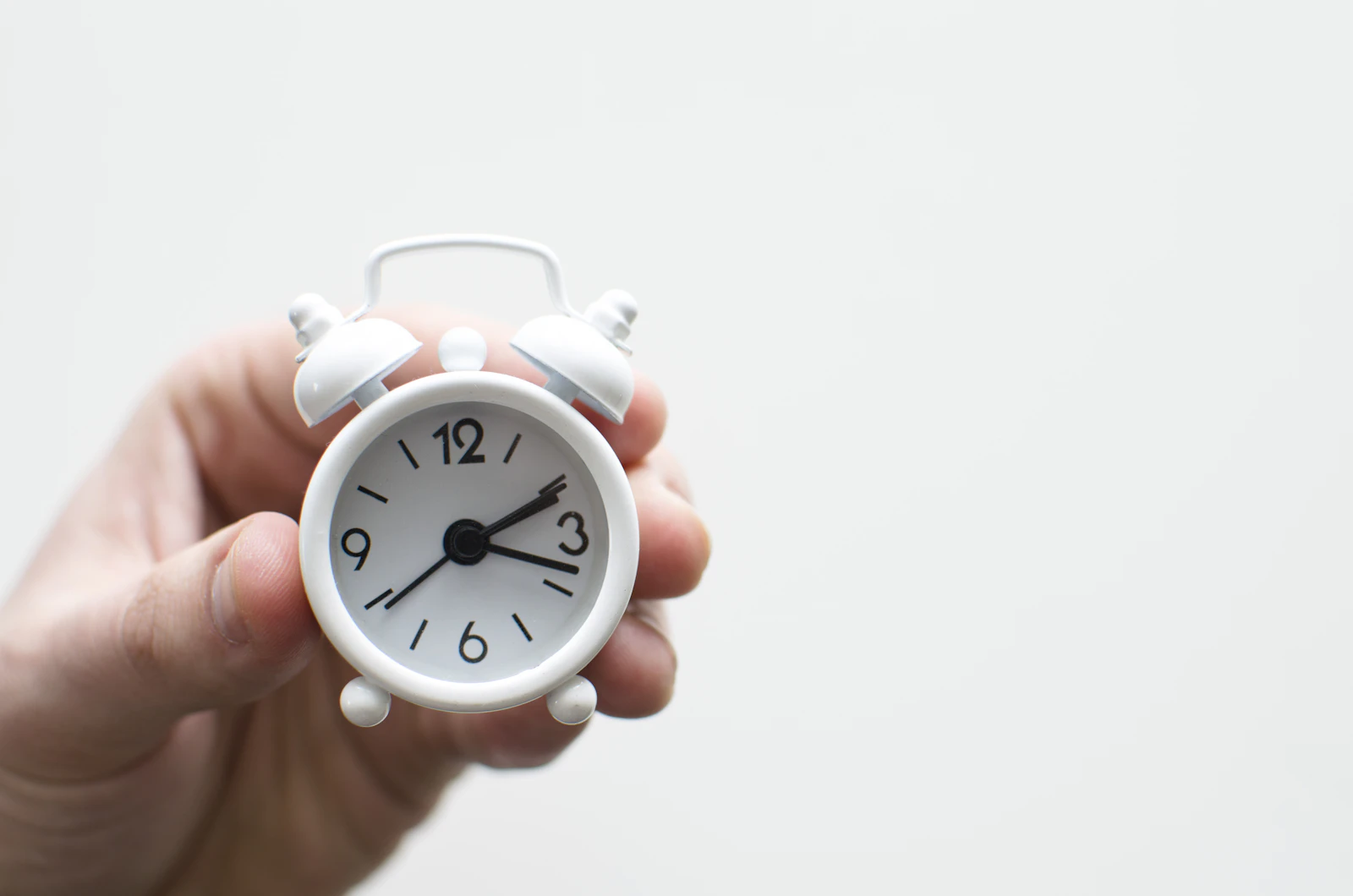
"Don't eat before bed" and "don't go to bed hungry" sound contradictory but both are right. What, when, and how much you eat is the key. Here's the science of pre-bed eating.

Three mechanisms by which food affects sleep
1. Digestion burden
It might seem that digestion would aid sleep through parasympathetic activation, but actually the opposite. Big meals (1) keep the body active through stomach and intestinal motion, (2) cause acid reflux awakenings, (3) fatty foods take 4–6 hours to digest — all-night burden.
2. Blood sugar swings
Simple sugars (sugar, white bread, snacks) spike blood glucose then drop it. Glucose crashes during sleep trigger adrenal cortisol release and brief microarousals. You can't feel them but deep sleep is fragmented.
3. Chemical stimulation
Specific compounds directly stimulate the nervous system:
- Caffeine: dark chocolate, cola, even some decaf drinks
- Tyramine: in fermented foods (cheese, wine), stimulates norepinephrine → arousal
- Alcohol: speeds onset but blocks late-night REM
- Spicy food: stomach irritation, body temperature rise
Pre-bed timeline
4 hours before bed
Typical dinner time. Eat as usual. But cut caffeine after this.
3 hours before bed
Last full meal. Moderate portion + balanced (protein + complex carbs + vegetables). Skip fatty and spicy.
2 hours before bed
Last alcoholic drink. Beyond this, alcohol wrecks both deep sleep and REM.
1 hour before bed
If hungry, a light protein snack OK. Going to bed starving causes 4 AM wake-ups and cortisol rise.
30 minutes before bed
Water only (and just a sip or two). A full glass causes nighttime bathroom trips.
Recommended pre-bed foods (1 hour before, small portions)
| Food | Why | Amount |
|---|---|---|
| Greek yogurt (unsweetened) | Protein + magnesium + calcium | 1/2 cup |
| Warm milk + honey | Tryptophan (precursor: serotonin → melatonin) | 1 cup |
| 1 banana | Magnesium + potassium + tryptophan | 1 |
| A handful of almonds (10–15) | Magnesium + natural melatonin | 15 |
| 1–2 kiwi fruit | Serotonin + antioxidants — clinically proven | 1–2 |
| 5–7 walnuts | Omega-3 + melatonin | 7 |
| Tart cherry juice | Natural melatonin — 17-min sleep onset reduction in studies | 240 ml |
| Oatmeal (small portion) | Complex carbs + magnesium | 1/4 cup |
Foods to avoid (within 3 hours of bed)
| Food | Why bad |
|---|---|
| Coffee / green tea / black tea | Caffeine lingers 5–6 hours |
| Dark chocolate | Caffeine + theobromine (stimulant) |
| Spicy food (tteokbokki, kimchi-jjigae) | Stomach irritation, body temp rise |
| Fatty food (chicken, samgyeopsal) | Digestion takes 4–6 hours |
| Red wine + cheese | Alcohol + tyramine simultaneous stimulation |
| Sweet desserts | Blood sugar swings |
| Soft drinks | Stomach distension, caffeine |
| Large amount of water | Nighttime bathroom trips |
The trap of the Korean diet
How typical Korean dinners affect sleep:
- Kimchi-jjigae + rice: spicy + late-time carbs → delayed onset
- Samgyeopsal hoesik: fat + alcohol + late time → degrades nearly every aspect of sleep
- Chicken + beer: most common, worst combo
- Tteokbokki: spice + simple sugar + carb bomb
- Late-night ramyeon: MSG + sodium + spice + carbs
Alternative: if late dinner is unavoidable, smaller portions and protein-veg focus. After hoesik, a light walk 2–3 hours before bed helps digestion.
Special cases — different food-sleep relationships
Dieting
Skipping dinner if poorly executed leads to 4 AM hunger that wrecks sleep. Solution: small protein snack 1 hour before bed (Greek yogurt, nuts) — keeps the diet AND keeps sleep.
GERD (acid reflux)
A major sleep disruptor. Last meal 3 hours before bed + bed head raised 15 degrees + left-side sleeping. Doctor-prescribed PPI also worth considering.
Diabetes
Blood sugar too low or too high disrupts sleep. Small protein + complex carb 1 hour before bed (e.g., apple slices + peanut butter) is stable.
Pregnancy
Frequent hunger + nausea. Crackers + milk 1 hour before bed is a light combo. Reduce water 30 min before bed.

Pre-bed drinks — warm vs cold
Warm drinks are better for sleep. Reasons:
- Warming the mouth and esophagus → parasympathetic activation
- Mental ritual effect (warmth = comfort)
- Cold drinks cause GI stimulation and microarousals
Recommended: jujube tea, chamomile, warm milk, warm barley tea.
Conclusion — timing matters more than food
"When to stop" matters more than "what to avoid." End full meals 3 hours before bed + light protein snack 1 hour before + a sip of water 30 minutes before — keep this timing and food choices have some flexibility.


