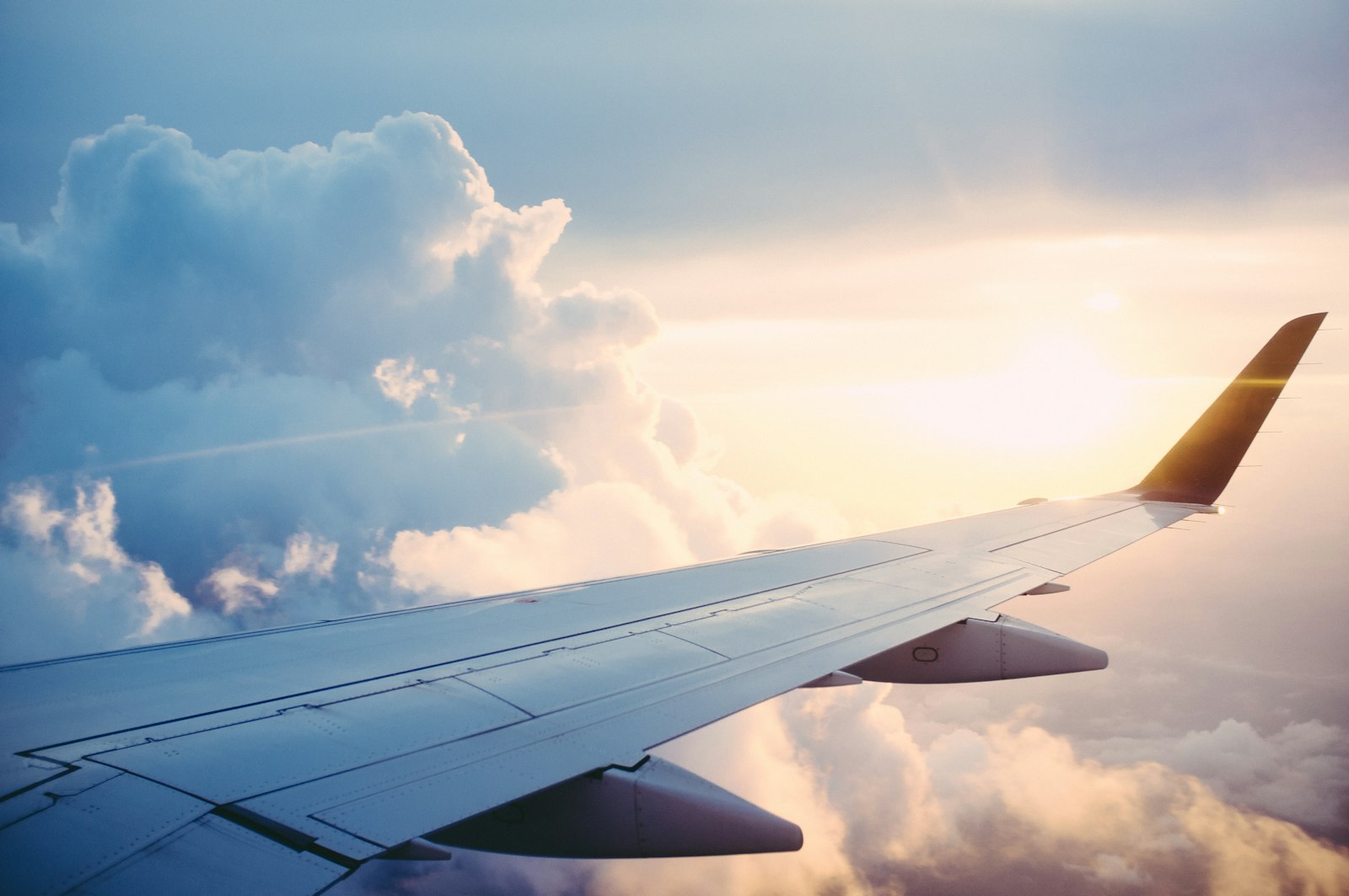
Sleeping on Planes: Complete Guide to Survive 10+ Hour Long-Haul Flights

Sleeping on Planes: Complete Guide to Survive 10+ Hour Long-Haul Flights

Korea-US/Europe flights 12–14 hours. Nearly impossible to sleep due to narrow seats, noise, air pressure, jet lag. Seat selection, sleep tools, meals, medication, posture — integrated strategy to feel good upon arrival.

TL;DR

Long-haul flight sleep = seat selection + tools (eye mask, earplugs, neck pillow, compression socks) + pre-departure time zone adaptation + no in-flight alcohol/caffeine + clothing/posture + melatonin. Business/first class better sleep environment.

Korea–US (LA/NYC) 12–14 hours, Europe (London/Paris) 12–13 hours, Australia (Sydney) 10–11 hours. Familiar long-haul flights for Korean businessmen/travelers. But sleeping 12 hours in narrow seat = nearly impossible. And ruined for days after arrival from jet lag. Let's look at better sleep strategies.

Why is It Hard to Sleep on Planes?

Plane sleep disruptors:

  • Narrow seats — economy seat width 43–46 cm, leg space 78–84 cm. Must sleep sitting upright
  • Noise — engine 75–85 dB (subway level), other passengers, children
  • Light — cabin lighting, other passenger screens
  • Low cabin pressure — 2,000–2,500 m altitude level. ↓ oxygen → fatigue, headache, ↓ sleep quality
  • Dryness — cabin humidity 10–20% (drier than desert). Nose/throat dryness, dehydration
  • Time zones — departure/arrival circadian rhythm mismatch
  • Turbulence — bumps, flight movement
  • Meal times — in-flight meals mismatch circadian rhythm

Preparation — 1–3 Days Before Departure

1) Pre-Adapt to Time Zone (Anticipatory Adaptation)

From days before departure, adjust sleep time to arrival time:

  • Eastward travel (Korea → US East, Europe) — 30–60 min earlier sleep/wake from 1–3 days before
  • Westward travel (Korea → US West, Hawaii) — 30–60 min later sleep/wake
  • Adjust with light exposure — morning sunlight (eastward), evening light (westward)

2) Prepare Melatonin (Doctor Prescription)

0.3–1 mg, 1–2 hr before sleep time at destination. Korean prescription needed (Circadin) or overseas direct purchase.

3) Seat Selection

  • Window — best for sleep: lean against wall, no waking when seatmate goes to bathroom, light control
  • Economy exit row — ↑ leg space (15–30 cm more)
  • Bulkhead — front wall seat. ↑ leg space but limited seat adjustment
  • Business/first class — can lie flat, ↑↑ sleep environment (expensive but worth for 12+ hr flights)
  • Avoid: near bathroom/galley (noise), aisle (frequent bumps), rear of plane (↑ turbulence)

Seat selection site: SeatGuru.com — ratings by airplane/seat.
Airplane cabin

Sleep Tools — Prepare Flight Bag

Essential

  • Eye mask — light blocking. 3M Bedtime Bliss, MZOO, Manta etc. Korean Daiso/Olive Young 5,000–30,000 KRW
  • Earplugs — foam or silicone. Foam blocks more, silicone more comfortable. Or Loop, Eargasm music-friendly earplugs. Korean pharmacy 1,000–10,000 KRW
  • Neck pillow — memory foam recommended (TRTL, Cabeau, Trtl). Korean internet 30,000–100,000 KRW. Or inflatable (lightweight, value)
  • Compression socks — prevent leg edema/DVT. Medical grade (20–30 mmHg). Korean pharmacy/internet 10,000–30,000 KRW. Very important!

Comfort

  • Blanket/shawl — plane cold (18–20°C). Personal blanket (merino wool) warmer than airline blanket
  • Slippers/sleep socks — feet ↑ comfortable with shoes off
  • Eye drops (artificial tears) — dryness
  • Nasal spray — saline nasal spray (Sterimar) — prevent nasal dryness
  • Lip balm/moisturizer — dryness
  • Noise-canceling headphones — Bose, Sony, AirPods Pro etc. Powerful tool (especially in expensive class)
  • Water bottle — fill after security. Plane doesn't give enough water

Clothing

  • Comfortable clothes (no compression) — tracksuit, loose cotton
  • Layers — handle plane temperature changes
  • No belt/tight clothes
  • No makeup (skin dryness)
Ad

Before Boarding — At Airport

Meal

  • Light meal 2–3 hr before boarding — protein + vegetables
  • No heavy/fried (digestion disturbs sleep)
  • No alcohol (dehydration + ruins sleep)
  • Caffeine — no if arrival time is sleep time, OK if wake time

Water

Plenty. ↑↑ dehydration on plane.

Exercise

Light 30-min walk — ↑ sleep.

In-Flight — Sleeping

1) First Meal — Decide What to Do

Long-haul usually serves first meal 1–2 hr after boarding. Decide:

  • If arrival time is sleep time → skip meal, immediately try to sleep. Light snack if very hungry
  • If arrival time is wake time → meal + movies etc.

2) Decide Sleep Time

Flight time ≠ sleep time. Based on arrival time:

  • If midnight–dawn at arrival → sleep at that flight time
  • If daytime at arrival → stay awake as much as possible (sleep after arrival)

3) Create Sleep Environment

  • Close window/blind
  • Eye mask + earplugs
  • Recline seat max
  • Neck pillow
  • Blanket
  • Phone airplane mode
  • Tell seatmate you'll sleep (skip meals/drinks)

4) Sleep Medication (Doctor Prescription)

Long-haul sleep medication — cautious:

  • Melatonin — safest. 0.5–1 mg at arrival sleep time
  • Sleep medication (zolpidem 5 mg) — doctor prescription. Only with 6–8 hr flight remaining. Not short flights, no driving after arrival. Never with alcohol
  • Antihistamine (diphenhydramine) — OTC. Little effect, ↑ next-day drowsiness. Not recommended

When using medication — wake-up time should be close to arrival. Wrong time = drowsy/driving risk after arrival.

5) If Can't Sleep

Don't force. Just lying down resting also recovery. Meditation app (Calm, Headspace), light movies. No stimulating content.

In-Flight — When Awake

1) Hydration

Cup of water every 2 hours. Plane cabin very dry. No alcohol/coffee (diuretic).

2) Leg Exercise/Walk

Stand/stretch/aisle walk every 2 hr — prevent DVT. Ankle exercise/calf raises at seat too.

3) Bathroom

Drinking lots of water means frequent bathroom. Better to go when awake.

4) Light Exposure Control

  • Arrival wake time → ↑ light exposure (open window, movies)
  • Arrival sleep time → block light

5) Meals

Plane meals ↑ salty (compensate taste changes). ↑ swelling. Bring own food if possible (Korean gimbap) or eat only part.
In-flight rest

After Arrival — Jet Lag Recovery

Immediately Upon Arrival

  • Behave to arrival time (awake if day, sleep if night)
  • Sunlight exposure — reset circadian rhythm
  • Normal meal at arrival time
  • Exercise/walk (if possible)
  • No alcohol first 24 hr

Sleep at Sleep Time, Endure at Wake Time

Hardest part. Daytime arrival but very sleepy: short nap 20–30 min OK, but no 1–2 hr (ruins night sleep). Endure until sleep time.

Adaptation Time

General rule: 1 hr time difference = 1 day adaptation. 12 hr difference = ~1 week. Eastward travel (Korea → US) harder than westward (advancing circadian rhythm harder).

Special Situations

"Businessman — Meeting Right After Arrival"

Hardest scenario. Strategy: (1) arrive 1–2 days before to adapt, (2) business class (if available) — ↑↑ sleep environment, (3) sunlight + exercise + normal meal immediately after arrival, (4) caffeine before meeting (but not too much), (5) best condition during meeting but no perfection expectation.

"With Family/Children"

Children — maintain consistent sleep time. Melatonin 6+ OK (consult doctor). Parents — sacrifice own sleep moderately, child sleep priority.

"Elderly Long-Haul Flight"

50+ — ↑↑ DVT risk. Compression socks essential. Walk every 2 hr. Consult doctor — some patients aspirin or anticoagulant. Cautious sleep medication (fall risk).

"Pregnant Long-Haul Flight"

Generally OK until 28 weeks, after depends on airline policy. Compression socks essential (↑ DVT risk). No sleep medication. Only after doctor OK.

Start Today (Before/During/After Flight)

1 week before flight: (1) pre-select seat, (2) start pre-adapting to time zone, (3) check/prepare sleep tools.

Flight day: (4) light meal + plenty water at airport, (5) seat tools set, (6) sleep or wake decision based on arrival time.

After arrival: (7) immediately adapt to arrival time, (8) sunlight + exercise, (9) endure 1 week to adapt.

Long-haul flight is sleep challenge — but preparation and strategy secure 60–80% sleep and reduce jet lag 50%. Day-after-flight condition makes big difference.

Ad

Frequently asked questions

Is it safe to take zolpidem on flight?

OK cautiously. But must follow rules: (1) <strong>get doctor prescription</strong> — no self-decision. Doctor evaluates condition then prescribes, (2) <strong>only with 6+ hr flight remaining</strong> — 5 mg zolpidem effect 4–6 hr. Short flight = post-arrival drowsy/driving risk, (3) <strong>absolutely no alcohol</strong> — respiratory suppression risk. Not even one glass of plane wine, (4) <strong>not first use on flight</strong> — know how you react before using. Try once at home → flight, (5) <strong>no driving/important work after arrival</strong> — cognitive impact possible even after zolpidem effect gone, (6) <strong>strange night behaviors</strong> reported — getting up for meals/calls during sleep. ↑↑ with alcohol, (7) <strong>alternatives first</strong> — melatonin 0.5–1 mg safer, no dependence. Recommended order: melatonin → if still no sleep → short flight no sleep med just rest → 12+ hr flight needing sleep → cautious doctor-prescribed zolpidem. Korean doctors commonly prescribe zolpidem for long flights. Decide by condition/travel purpose. Business class ↑ sleep environment → possible sleep without medication.

Does business class make that big a difference for sleep?

Yes — huge difference for 12+ hr flights. Business vs economy sleep environment: (1) <strong>180-degree flat seat</strong> — can lie like bed. Economy can't really lie down, (2) <strong>seat width 55–65 cm vs 43–46 cm</strong> — shoulder room, (3) <strong>seat pitch 2–3x</strong> — fully extend legs, (4) <strong>inter-seat isolation</strong> — ↓ neighbor impact, (5) <strong>bedding</strong> — airline good mattress topper/duvet/pillow (Singapore, Cathay excellent), (6) <strong>flexible meal time</strong> — meal selection at your sleep time, (7) <strong>↑ bathroom accessibility</strong>, (8) <strong>more cabin lighting control</strong>. Result: business class average 6–7 hr sleep possible vs economy average 3–4 hr. First class even more — 8–9 hr sleep possible (hotel bed level). Price difference: Korea-US round trip economy ~1.5–2.5M KRW vs business 5–15M vs first class 15–50M. Value evaluation: (1) <strong>business trip</strong> — company expense = business strong value (next-day meeting condition), (2) <strong>travel (personal expense)</strong> — once or so worth it but expensive. Use miles, (3) <strong>50+, elderly</strong> — health issues ↑↑ value (leg edema/DVT/jet lag recovery), (4) <strong>alternatives</strong>: premium economy (1.5x economy, 30% better seat) — good value. Or short layover flight (if direct expensive) — but ↑ total travel time. Final: for 12+ hr flights, business or premium economy strongly recommended. Clear post-arrival condition difference.

Ear or head pain — related to plane sleep?

Possibly related. Common causes: (1) <strong>low pressure/oxygen deficit</strong> — cabin pressure 2,000–2,500 m level → headache, (2) <strong>dehydration</strong> — cabin very dry → headache, (3) <strong>Eustachian tube problem</strong> — pressure changes during takeoff/landing. Pain if Eustachian tube blocked (cold, allergies), (4) <strong>sleep posture</strong> — bad neck posture → headache, (5) <strong>prolonged sitting</strong> → postural headache. In-flight ear pain response: (1) <strong>swallowing</strong> — swallow saliva, drink water, gum, (2) <strong>Valsalva</strong> — hold nose, close mouth, gently exhale (ear "pop"). Don't force (ear damage), (3) <strong>stay awake during takeoff/landing</strong> — ↓ swallowing during sleep → hard pressure equalization, (4) <strong>with allergies/cold</strong> — nasal spray or antihistamine 30–60 min before takeoff/landing, (5) <strong>infants/children</strong> — breastfeed/milk/water during takeoff/landing. Headache response: (1) sufficient hydration, (2) light caffeine (or medication), (3) posture change/walk if possible, (4) OTC painkiller (ibuprofen etc.) if bad. Severe/recurrent pain: (1) sleep apnea test (if snorer) — worse under plane pressure, (2) sinusitis evaluation, (3) neurology (chronic headache). If pain persists days after flight, see doctor.

Which airlines are good for sleeping?

Main evaluation criteria: (1) <strong>seat width/leg space</strong> — varies by airline/aircraft, (2) <strong>business class bed flatness</strong> — true flat vs slightly tilted, (3) <strong>bedding quality</strong> — mattress topper/duvet/pillow, (4) <strong>cabin atmosphere</strong> — lighting control/noise, (5) <strong>meal time flexibility</strong>, (6) <strong>comfort tools</strong> — slippers/pajamas provided (business+). Recommended airlines (long-haul/sleep-friendly): (1) <strong>Singapore Airlines</strong> — yearly world's best rating (Skytrax etc.). Business/first class beds excellent, (2) <strong>Qatar Airways</strong> — Qsuite (business suite) very good. Doha layover, (3) <strong>Cathay Pacific</strong> — excellent business sleep environment. Hong Kong layover, (4) <strong>Emirates</strong> — A380 business/first class good. Dubai layover, (5) <strong>ANA, JAL (Japan)</strong> — ↑ seats/meals/service. Tokyo layover, (6) <strong>Korean Air, Asiana</strong> — Korean direct flights. Good business, first class disappearing trend, (7) <strong>EVA Air</strong> — Taiwan, excellent business, (8) <strong>Thai Airways</strong> — ↑ bedding, Bangkok layover. Avoid (hard to sleep): (1) low-cost airlines (economy only, narrow, extra fees), (2) very old aircraft (777-200, A320 etc. — narrow), (3) dawn arrival flights (natural sleep time broken). Korean recommendations: <strong>Business class</strong> — Singapore (Singapore layover), Korean Air direct, Cathay (Hong Kong layover), Qatar (Doha layover). <strong>Economy</strong> — mile upgrade or premium economy (Korean Air, ANA etc.). Check seat type in advance (SeatGuru). Also consider arrival time — evening arrival favorable for adaptation.

How many days to adapt to jet lag? Faster recovery?

General rule: 1 hr time difference = 1 day adaptation. But varies by direction/strategy. (1) <strong>eastward (Korea → US/Europe)</strong> — harder. Advancing circadian rhythm inherently harder. 12 hr difference = 7–10 days natural, 3–5 days with active strategy, (2) <strong>westward (Korea → US West, Hawaii)</strong> — easier. 5–7 days natural, 2–3 days strategy, (3) <strong>age</strong> — older = ↑ slower adaptation. 50+ takes 2x time of 20s. Fast adaptation strategy: (1) <strong>pre-adapt 1–3 days before departure</strong> — 30–60 min toward arrival time. Most effective, (2) <strong>adapt to local time immediately upon arrival</strong> — day = stay awake until night (hard), night = sleep immediately, (3) <strong>sunlight exposure</strong> — most powerful circadian rhythm reset. At arrival (a) ↑ morning sunlight (eastward), (b) ↑ evening sunlight (westward), (4) <strong>melatonin</strong> — 0.5–1 mg 1–2 hr before arrival sleep time. First 3–5 days, (5) <strong>exercise</strong> — immediate exercise after arrival ↑ adaptation. But not right before sleep, (6) <strong>meal time — to arrival time</strong>: meals also circadian rhythm signal, (7) <strong>cautious alcohol/caffeine</strong> — no alcohol first 24 hr. Caffeine — OK at wake time, (8) <strong>nap — short OK, not too long</strong>: only 20–30 min, no 1–2 hr, (9) <strong>if possible, light exposure/meal change from 1 week before</strong>. Fastest recovery (1–2 days): (1) business class + 7 hr sleep on flight, (2) sunlight + exercise + normal meal immediately upon arrival, (3) first night melatonin, (4) wake at normal time next day. Recommend arriving 1–2 days early for 50+ or important schedule.

Related reads

Mental health

What caffeine really does to your stress system — and a 5-step taper that actually works

8 min read
Mental health

Your 24-hour cortisol rhythm — 5 signs it's flipped and how to realign without medication

9 min read
Mental health

Six steps to end Sunday night dread — the neuroscience of Monday blues + a workable evening routine

8 min read
Sleep

Sleep, Immunity, and Vaccine Response — Cut Cold/Flu 70%, Double Vaccine Efficacy with Sleep

9 min read